Betfred Plans to Close 132 High Street Shops and Reduce More Than 600 Roles Starting September 2026
Blake Lorenz · Aug 24, 2026

Betfred Plans to Close 132 High Street Shops and Reduce More Than 600 Roles Starting September 2026
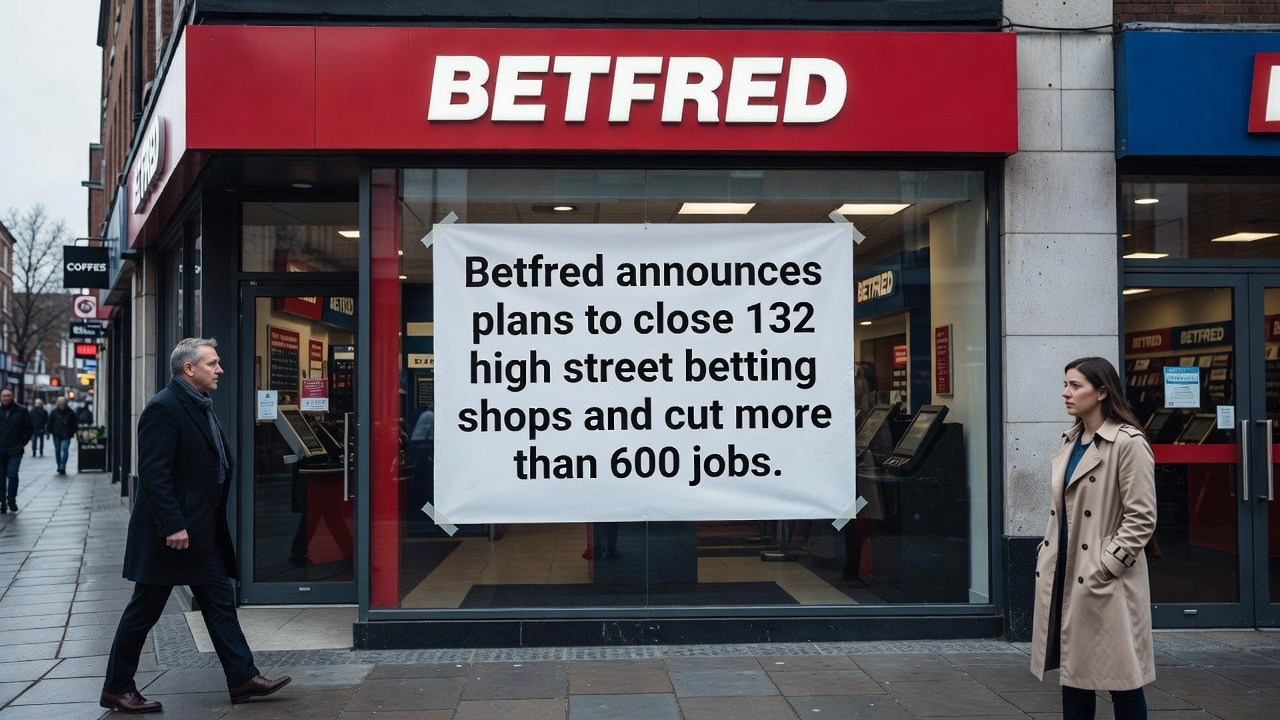
Betfred has announced its decision to close 132 high street betting shops across the UK and eliminate more than 600 positions with the process beginning in September 2026; the company pointed to increased gambling taxes, higher national insurance contributions, and rising wage costs amid ongoing economic uncertainty as the key factors behind the move, stating that it had no choice but to proceed with these changes.
The closures form part of a wider response to tax adjustments introduced in the 2025 and 2026 budgets that have placed additional financial strain on retail betting operators; data from industry monitoring shows these policy shifts have raised operating costs for physical locations while online competitors face different regulatory pressures.
Details of the Announced Changes
Under the plan, the 132 shops slated for closure represent a significant portion of Betfred's high street presence, and the job reductions will affect staff in both retail and support roles; the company has indicated that affected employees will receive redundancy packages and outplacement support, although specific figures for those packages remain undisclosed at this stage.
Preparations for the transition are expected to ramp up during August 2026 as managers finalize store inventories, notify local authorities, and coordinate with staff consultation processes required under UK employment law; observers note that such timelines allow operators to meet legal obligations while minimizing disruption to customers in remaining locations.
Factors Cited by the Company
Betfred highlighted three main cost drivers in its statement: the gambling tax increases, the employer national insurance contribution hike, and general wage inflation; these elements combined have eroded margins in the retail betting segment where footfall has already declined due to shifts toward digital platforms.
According to company figures, the cumulative effect of the tax and contribution rises has added several percentage points to annual overheads for each physical outlet, making continued operation of smaller or lower-performing shops unsustainable; the economic uncertainty referenced includes fluctuating consumer spending patterns and broader inflationary trends that have persisted into 2026.
Context Within the Betting Sector
This announcement follows similar restructuring moves by other high street operators that have faced identical tax and cost pressures since the 2025 Budget changes took effect; reports indicate that multiple firms have already scaled back their retail footprints or consolidated operations to preserve profitability in a market where online betting now accounts for the majority of activity.
Those monitoring the sector point out that the 2025 and 2026 fiscal adjustments were designed to increase government revenue from gambling while encouraging responsible play, yet retail operators argue the measures have disproportionately affected bricks-and-mortar businesses that employ thousands across the country; Betfred's decision aligns with this pattern of contraction among traditional betting chains.
Timeline and Implementation
The phased rollout starting in September 2026 means that not all closures will occur simultaneously, allowing the company to manage customer migration to nearby remaining shops or its online platform; consultations with employee representatives are scheduled to begin well in advance, in line with statutory requirements that mandate at least 45 days of discussion for large-scale redundancies.
Local councils in areas affected by the closures will receive notifications during the summer of 2026, and planning applications for repurposing the vacated premises may follow once final decisions on individual sites are confirmed; industry analysts expect some properties to transition into other retail or leisure uses rather than remain vacant long term.
Conclusion
Betfred's move to close 132 shops and cut more than 600 jobs from September 2026 reflects the direct impact of recent tax and contribution increases on retail betting viability, and the company has framed the decision as unavoidable given current economic conditions; the changes will unfold gradually through 2026 and into subsequent years as the operator adjusts its footprint to the evolving regulatory and market landscape.